Walking at the Edge of Time
Walking at the Edge of Time
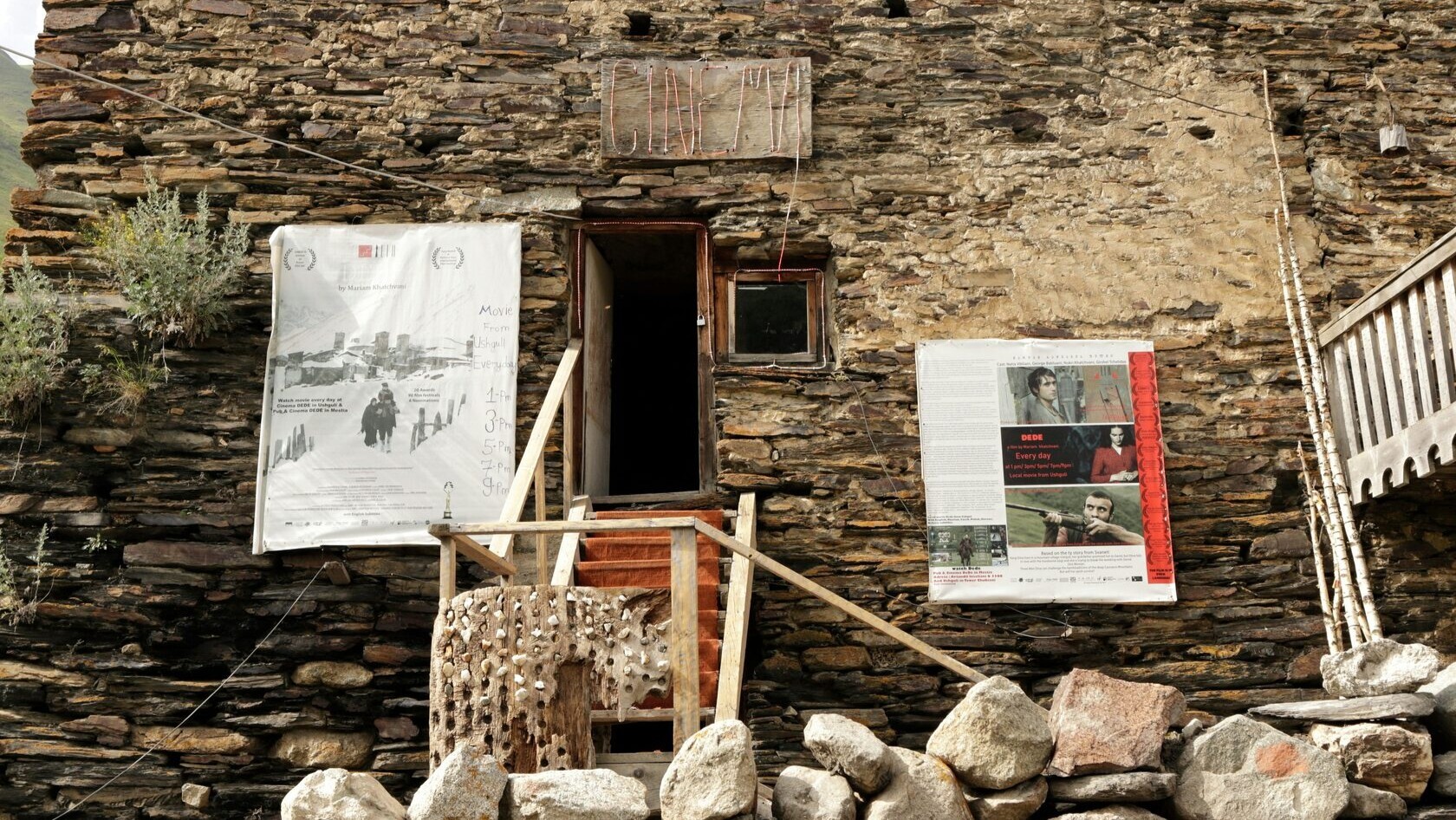
Ushguli sits high in the Caucasus, where roads feel optional and history feels present. Stone towers rise from the ground as if they grew there, watching the valley the way they have for centuries. The air is thin, clear, and unapologetic. You feel it in your lungs. In your legs. In your thoughts.
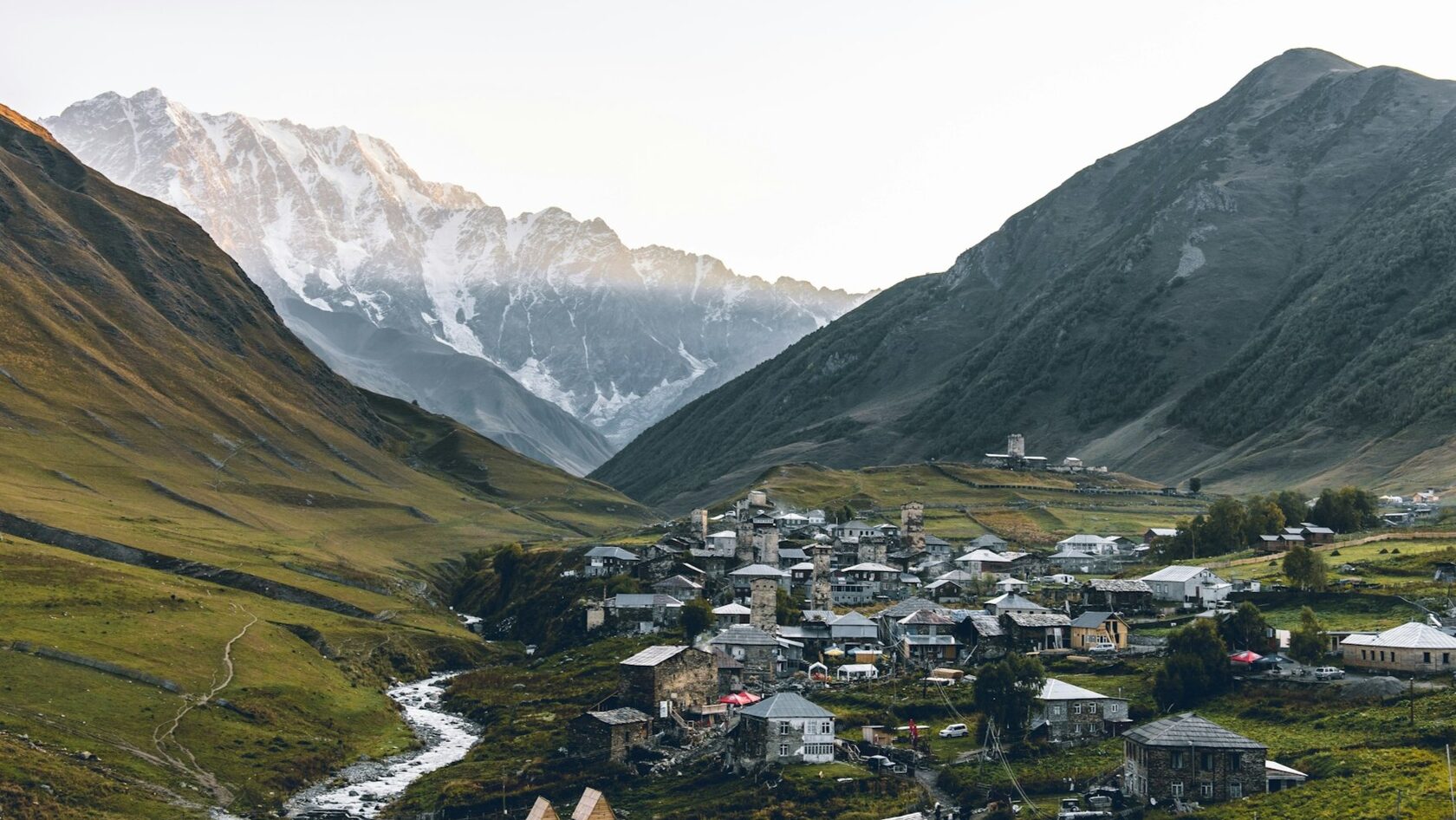
Life here follows a different logic — one shaped by terrain, weather, and tradition. Distances are measured not just in kilometers, but in effort. Paths wind through the landscape without urgency, and every step feels deliberate. There is little separation between past and present; daily routines echo patterns that have remained unchanged for generations.
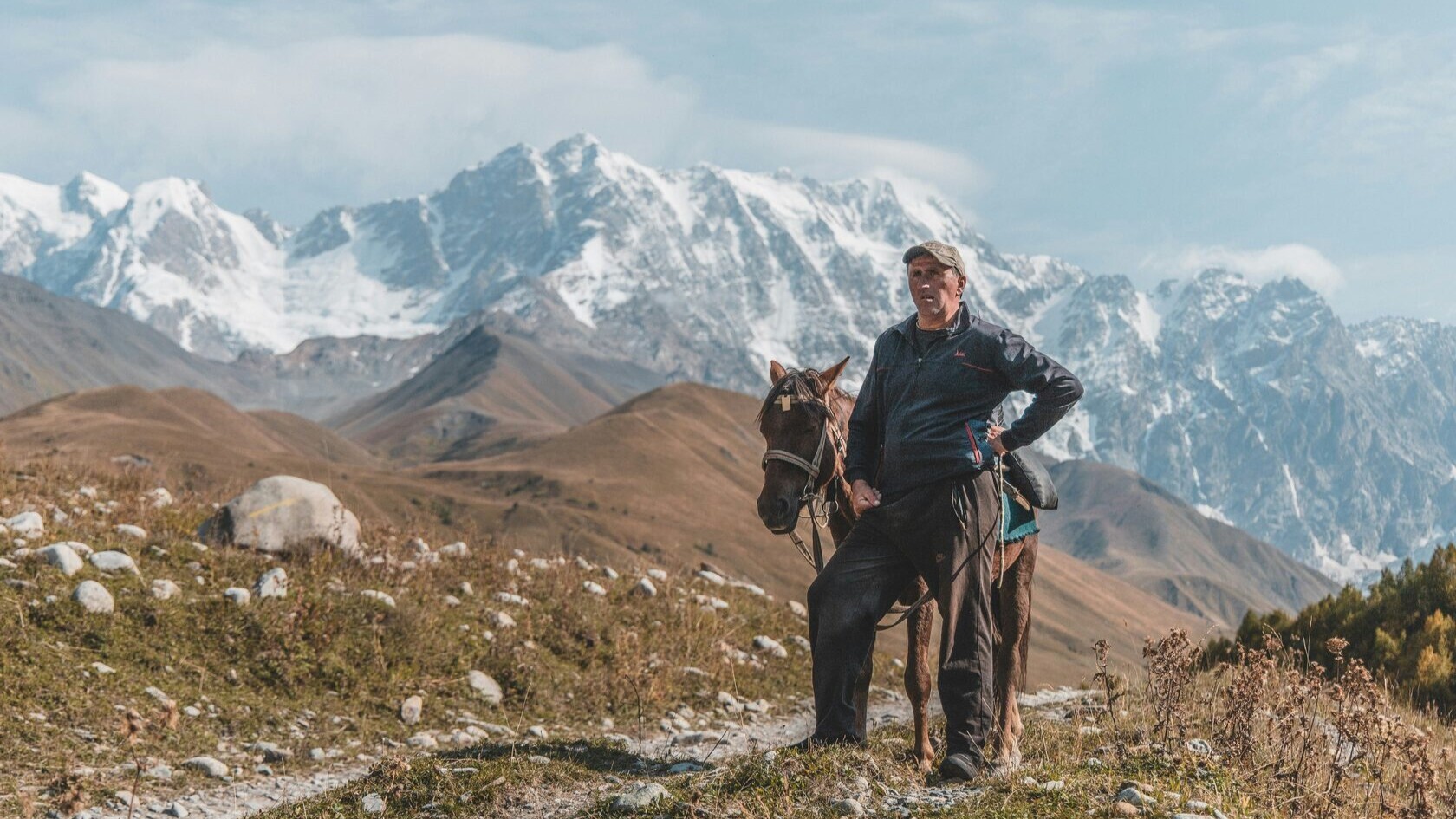
Silence in Ushguli is not empty. It carries texture — the distant sound of livestock, the wind moving through the valley, the quiet presence of the mountains themselves. You become more aware of your surroundings, more attentive to small shifts in light and sound. The environment does not adapt to you; you adapt to it.
Walking here feels less like travel and more like entering a different perception of time. Not slower, but deeper. As if each moment holds more weight, more clarity. And in that clarity, something settles — a sense that not everything needs to move forward to have meaning.
Walking here feels less like travel and more like entering a different perception of time. Not slower, but deeper. As if each moment holds more weight, more clarity. And in that clarity, something settles — a sense that not everything needs to move forward to have meaning.